Radiator types and output
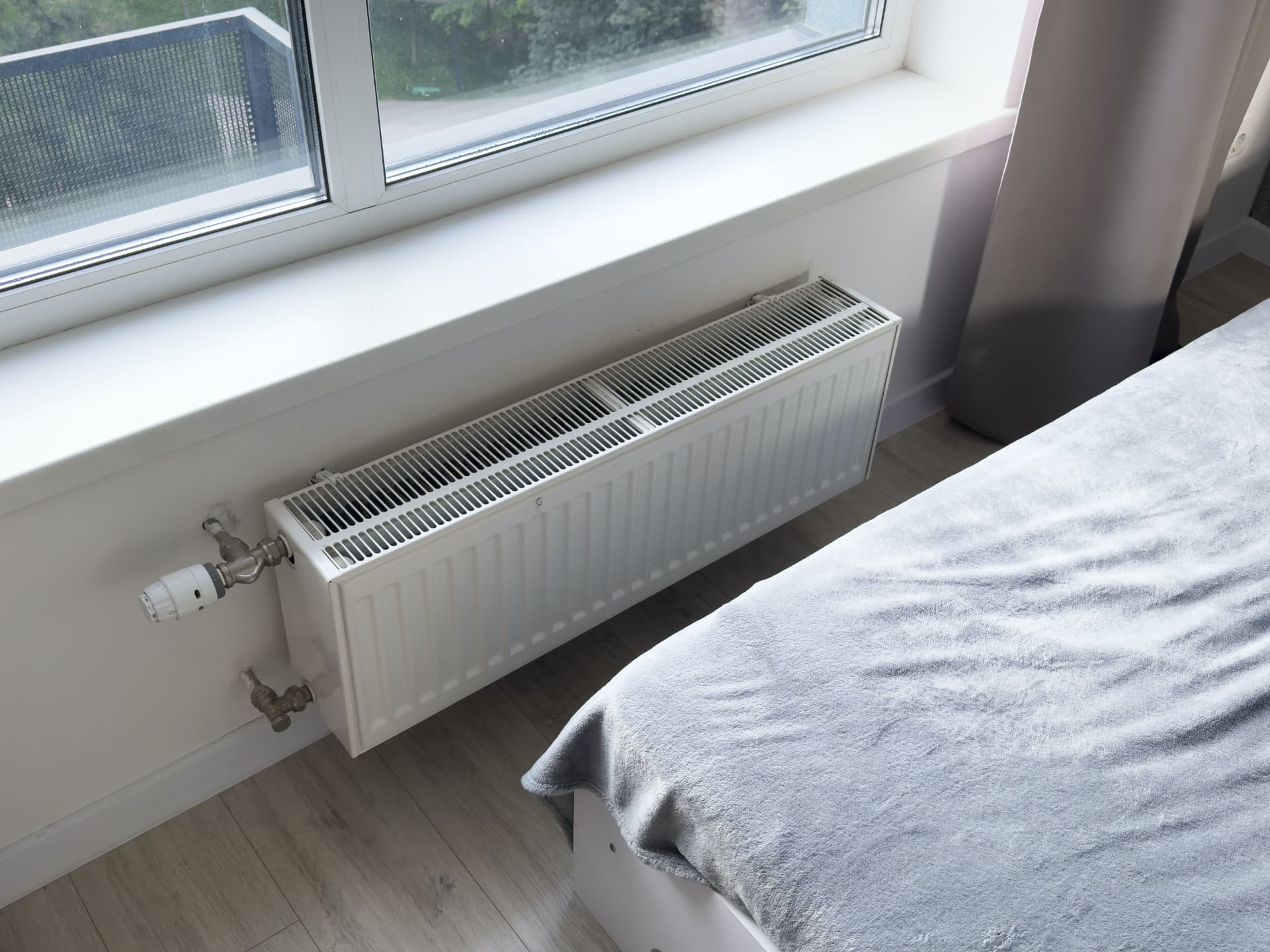
Panel radiators come in single and double panel forms with varying numbers of convector fins, described as type 11, 21 and 22 and so on. More panels and fins mean more output from the same wall space, which matters in rooms where length is limited by furniture or glazing.
Column radiators and designer formats look better in period rooms but generally give less output per metre than a double panel convector, so the specification has to be checked against the room rather than the catalogue photograph. Towel radiators in bathrooms have low output and often cannot heat the room on their own.
Output figures are quoted at a specific flow temperature. Systems running at lower flow temperatures for efficiency need larger emitters to deliver the same heat, which is worth knowing before an upgrade is planned.
Sizing to the room
Correct sizing starts with the heat loss of the room: its volume, external wall area, glazing, insulation and exposure. A north-facing room with two external walls and large windows needs considerably more output than an internal room of the same size.
Undersized radiators are the single most common reason a room never quite warms up, and no amount of turning the thermostat up fixes it. We will tell you when the existing radiator was simply never big enough, rather than replacing it with the same and letting you find out.
Valves, pipework and positioning
Each radiator has a control valve and a lockshield. Thermostatic radiator valves give per-room control and are fitted as standard on new work, deliberately omitted in the room containing the main thermostat so the two controls do not conflict.
The lockshield is the balancing valve, adjusted to set flow through that radiator relative to the rest of the circuit. Balancing is the difference between a system that distributes heat and one that simply pushes it towards the path of least resistance.
Pipework feeding the radiator has to be sized for the output. Older properties around Ware and Broxbourne often have microbore, which works but limits capacity and blocks more easily. Adding a large radiator to a microbore leg often means altering the pipework rather than teeing in.
Positioning is a compromise between heat distribution and how you use the room. Under a window is traditional and still effective at countering cold downdraught, but modern glazing has reduced that need, so position can often follow furniture instead.
Repairs, flushing and system water
Radiators cold at the bottom usually respond to cleaning or flushing and proper inhibitor dosing, but a radiator that has corroded internally to the point of pinholing needs replacing. We tell you which you have rather than charging for a flush that will not solve it.
Leaking valve connections are often repairable; leaking radiator bodies are not. Rust staining beneath a radiator is a warning sign worth acting on before it reaches the floor covering.
On any system with corrosion history, adding a magnetic filter and correct inhibitor dosing protects the more expensive components downstream.
Extensions, conversions and partial upgrades
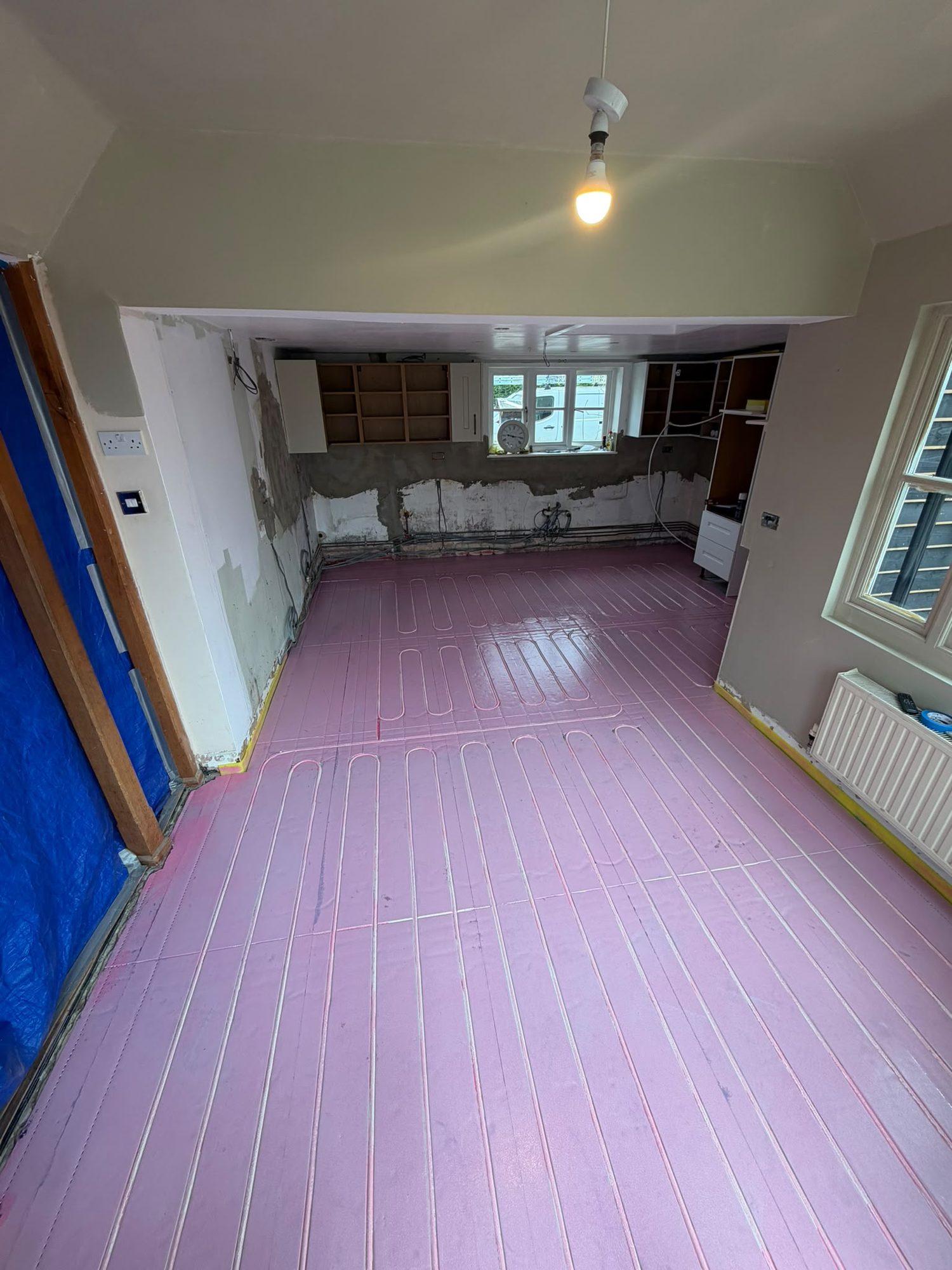
Adding heating to an extension or loft conversion means checking that the boiler and pipework can carry the additional load, then rebalancing the system afterwards. Where the existing system is already at its limit we say so before the work is committed.
Replacing all radiators on sound pipework is often the best-value heating upgrade available, particularly in a house where the boiler is newer than the emitters. Our work is domestic, across Ware, Broxbourne, Epping, Harlow and the surrounding towns.